English
 Français
 Pусский
 Español
 Português
 ไทย
 العربية
 िन्दी
 Indonesia

ट्रैक रखरखाव के लिए कस्टम समाधान

Why Does Railway Track Geometry Keep Deteriorating After Tamping?
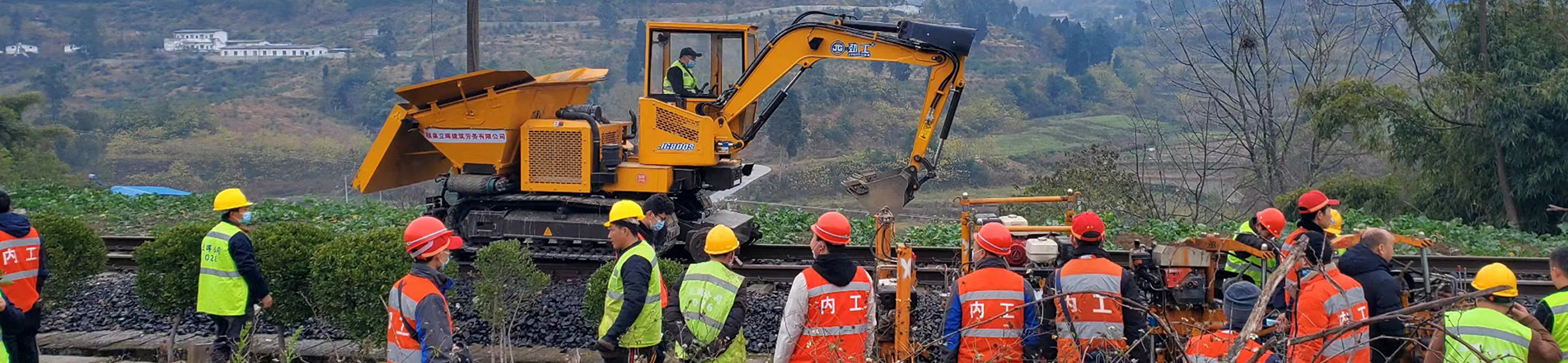
Railway tamping is a common maintenance operation used to restore track geometry by lifting, aligning and compacting ballast beneath sleepers. However, many railway maintenance teams face a recurring problem: track geometry deteriorates again after tamping, sometimes within a relatively short period.
Repeated maintenance increases operating costs, consumes limited track possession time and may contribute to further ballast degradation.
The reason is simple: tamping corrects track geometry, but it does not necessarily solve the underlying problems within the track structure. Ballast condition, drainage and subgrade stability all influence how long the correction will last.
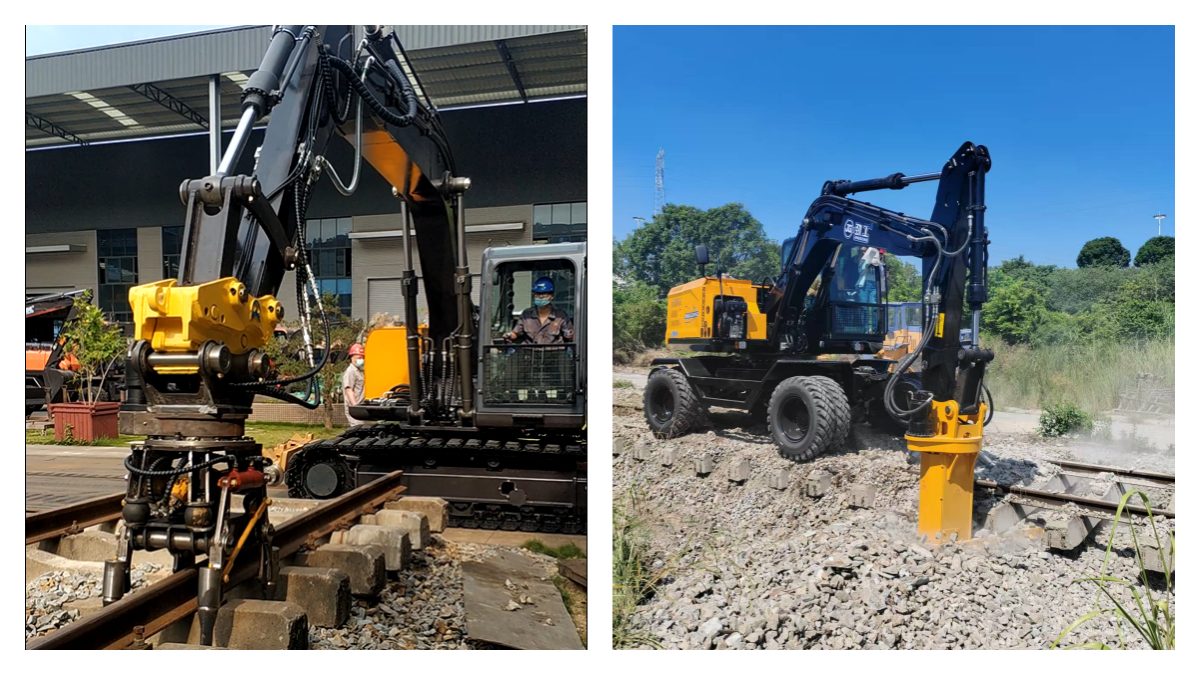
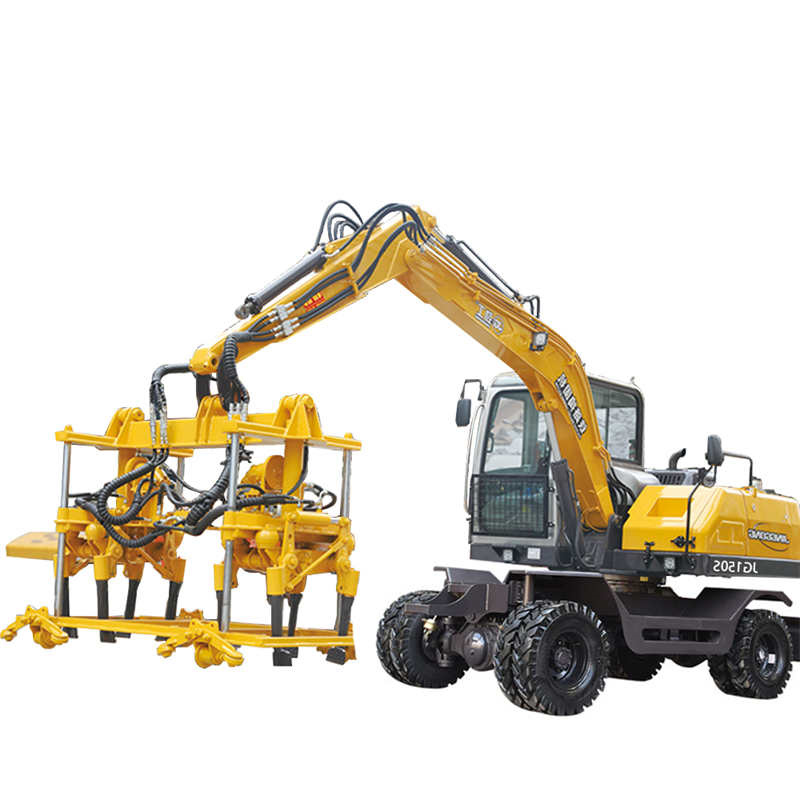
Tamping restores the position of railway tracks by lifting and aligning the rails, then compacting ballast beneath the sleepers.
It is mainly used to correct:
· Longitudinal level: Vertical irregularities along the track.
· Horizontal alignment: Deviations from the intended track direction.
· Cross-level: Differences in height between the two rails.
· Track twist: Changes in cross-level over a defined distance.
When irregularities are caused by uneven ballast support, tamping can be an effective solution.
However, it cannot directly remove contaminated ballast, repair blocked drainage systems or strengthen weak subgrade materials. If these problems remain, geometry defects may return even after a successful tamping operation.
Tamping disturbs and repositions ballast particles. After the track returns to service, repeated train loading causes further particle movement and compaction.
Some settlement is normal, but uneven settlement can lead to renewed track geometry defects. The condition of the ballast and the distribution of train loads influence how quickly thisoccu.
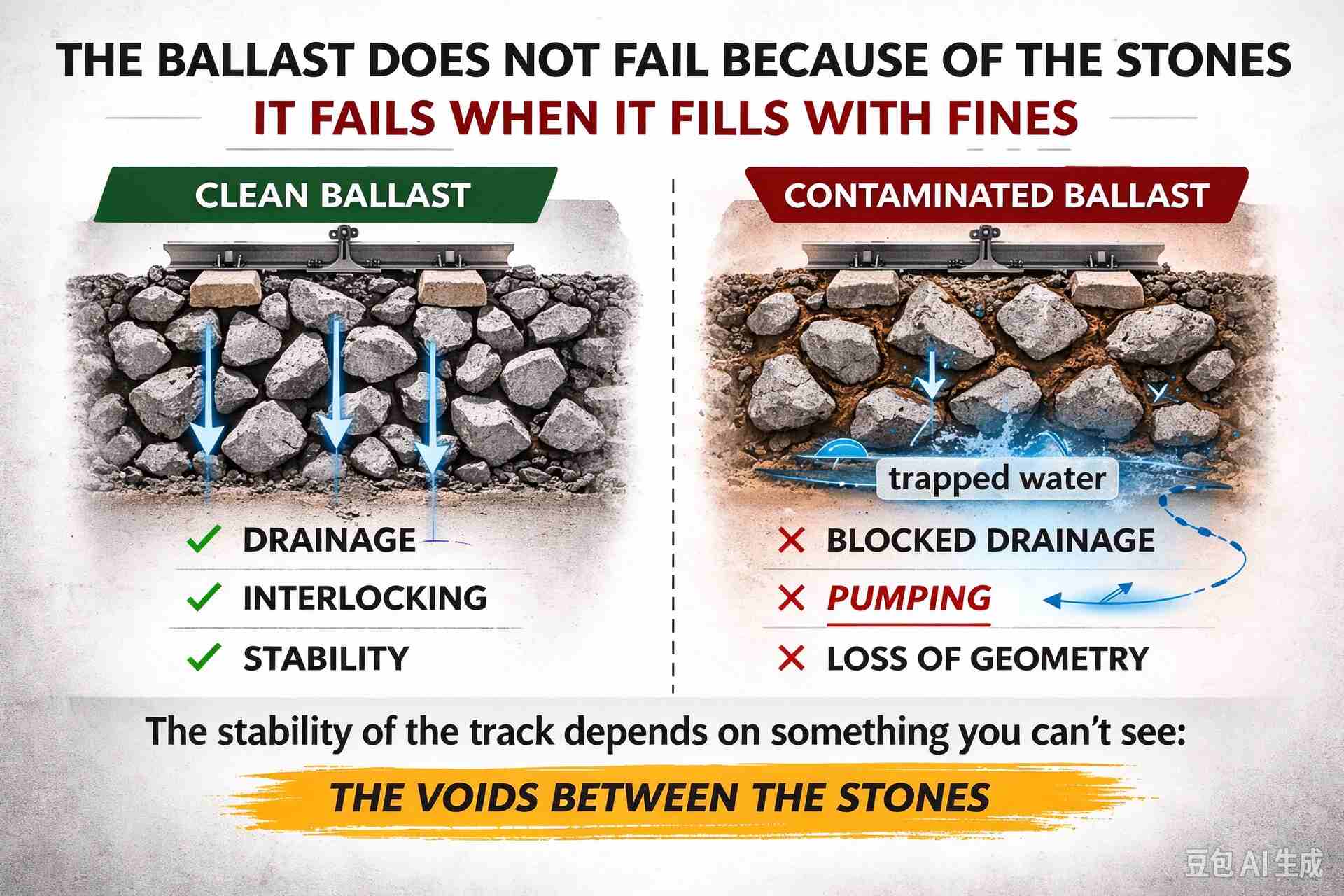
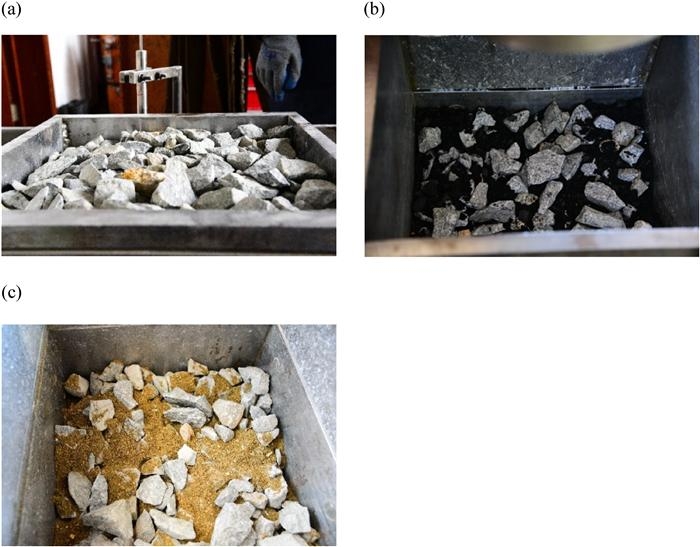
Ballast fouling occurs when fine materials accumulate in the spaces between ballast particles.
Common sources include:
· Ballast particle breakdown and abrasion.
· Soil migration from the underlying formation.
· Wear of track components.
· External materials entering the track structure.
As fouling increases, ballast drainage and mechanical performance can deteriorate. Water may accumulate more easily, while the ballast becomes less effective at supporting sleepers.
In heavily fouled sections, tamping alone cannot restore the original condition of the ballast. Ballast cleaning may be necessary.
Drainage is essential to maintaining a stable railway track structure.
When water accumulates within the trackbed, the strength of susceptible supporting materials may decrease. Under repeated train loading, fine soil and water can move upward into the ballast, creating a phenomenon known as mud pumping.
This can lead to a cycle of water accumulation, ballast contamination, reduced support and repeated track settlement.
If poor drainage is the underlying cause, drainage inspection and repair should be considered alongside other maintenance work.
The ballast layer transfers train loads to the underlying formation. If the subgrade contains weak or unstable areas, it may deform under repeated loading.
This can cause differential settlement, where one section of track moves more than adjacent sections.
Tamping can restore the track’s position temporarily, but it does not improve the bearing capacity of weak ground. Persistent defects may therefore require further investigation and formation rehabilitation.
Tamping is necessary for track maintenance, but repeated mechanical intervention can contribute to ballast particle damage and the generation of fine materials.
When tamping is repeatedly used to correct defects caused by contaminated ballast or poor drainage, the underlying problem remains unresolved.
The result may be a maintenance cycle: geometry deteriorates, tamping is repeated, ballast condition gradually worsens, and the same section requires attention again.
Before scheduling another tamping operation, maintenance teams should determine why the defect has returned.
A practical inspection should focus on four areas:
· Track geometry records: Compare measurements before and after tamping. Identify how quickly defects return and whether they occur in the same locations.
· Ballast condition: Check for excessive fines, contamination, insufficient ballast depth and signs of particle degradation.
· Drainage: Look for standing water, blocked drainage channels and evidence of mud pumping.
· Subgrade condition: Investigate recurring settlement, weak formation areas and transitions between different supporting structures.
Maintenance history, traffic loading and local rainfall should also be considered. These factors help distinguish ordinary post-tamping settlement from more serious structural problems.
The appropriate maintenance method depends on the condition of the track.
Table 1. Track condition and possible maintenance response
|
Track condition |
Possible maintenance response |
|
Uneven geometry with adequate ballast support |
Tamping and alignment correction |
|
Fouled ballast with reusable coarse particles |
Ballast cleaning |
|
Blocked drainage or water accumulation |
Drainage inspection and repair |
|
Recurring settlement caused by weak formation |
Subgrade investigation and rehabilitation |
|
Severely degraded or contaminated ballast |
Ballast renewal, where necessary |
Ballast cleaning is particularly useful when the existing coarse ballast remains suitable for reuse but accumulated fines have reduced its drainage and support functions.
The cleaning process separates contaminated materials from reusable ballast. Suitable ballast can then be returned to the track, with fresh material added where required.
However, if the ballast is severely degraded or the underlying formation is unstable, cleaning alone may not be sufficient.
The key is to select the maintenance method according to the actual cause of deterioration, rather than automatically repeating tamping.
Railway maintenance is a connected process. Tamping, ballast cleaning, drainage maintenance and sleeper replacement address different parts of the track structure.
For example, a section with good ballast condition but uneven sleeper support may only require tamping. A section with heavily fouled ballast and poor drainage may need cleaning and drainage work before geometry correction can provide lasting results.
Mechanised equipment helps improve the consistency and efficiency of repetitive maintenance tasks. However, each machine must be used for the problem it is designed to address.
A tamping machine cannot replace a ballast cleaning system when contamination is the main issue. Likewise, ballast cleaning cannot repair a weak subgrade by itself.
An effective maintenance plan begins with inspection and diagnosis, followed by the correct combination of maintenance operations.
1. Why does railway track become uneven again after tamping?
Ballast may settle further under train loading after tamping. Rapid or repeated deterioration can also indicate fouled ballast, poor drainage or weak subgrade conditions.
2. Does tamping remove contaminated ballast?
No. Tamping restores track geometry and sleeper support. It does not remove accumulated fine materials. Ballast cleaning may be required when contamination becomes significant.
3. What is the difference between tamping and ballast cleaning?
Tamping lifts and aligns the track while compacting ballast beneath sleepers. Ballast cleaning removes contaminated fine materials to improve the condition and drainage performance of the ballast layer.
4. Can poor drainage cause railway track settlement?
Yes. Water accumulation can weaken susceptible supporting materials and contribute to ballast contamination and mud pumping, increasing the risk of settlement.
5. How can maintenance teams reduce repeated tamping?
They should monitor track geometry, inspect ballast and drainage conditions, identify weak formation areas and select maintenance methods based on the actual cause of deterioration.
Repeated track geometry deterioration after tamping does not always mean the tamping operation was ineffective. In many cases, the underlying cause lies in ballast contamination, poor drainage or weak subgrade conditions.
Tamping remains essential for restoring track geometry, but its long-term effectiveness depends on the condition of the entire track structure.
Instead of repeatedly correcting the same track section, maintenance teams should identify why the defects return and apply the appropriate combination of tamping, ballast cleaning and drainage or formation maintenance.
A condition-based approach can help reduce unnecessary interventions, improve maintenance efficiency and support more reliable railway operations.
[1] Investigating Root Causes of Railway Track Geometry Deterioration – A Data Mining Approach. Frontiers in Built Environment, 2020. https://www.frontiersin.org/journals/built-environment/articles/10.3389/fbuil.2020.00122/full
[2] The Effect of Ballast Moisture Content and Fouling Index on Railway Track Settlement. Transportation Geotechnics, 2024. https://doi.org/10.1016/j.trgeo.2024.101193
[3] Review of Ballast Track Tamping: Mechanism, Challenges and Solutions. Construction and Building Materials, 2021. https://doi.org/10.1016/j.conbuildmat.2021.123940