English
 Français
 Pусский
 Español
 Português
 ไทย
ไทย العربية
 िन्दी
िन्दी Indonesia
ट्रैक रखरखाव के लिए कस्टम समाधान

अंतरराष्ट्रीय स्तर पर रेल अवसंरचना का विस्तार करना या मौजूदा लाइनों का रखरखाव करना विशेष उपकरणों की मांग करता है। सही रेलवे उत्खनन यंत्र का चयन केवल शक्ति और पहुंच के बारे में नहीं है; इसमें क्षेत्रीय नियमों, परिचालन परिवेशों और दीर्घकालिक सेवा संबंधी वास्तविकताओं की जटिलताओं को समझना शामिल है। वैश्विक स्तर पर उपकरण खरीदने वाले ठेकेदारों और रेल संचालकों के लिए, इन महत्वपूर्ण कारकों की अनदेखी करने से भारी देरी, अनुपालन संबंधी परेशानियां और मशीनों का सहायता केंद्रों से दूर बेकार पड़े रहना जैसी समस्याएं उत्पन्न हो सकती हैं।
वैश्विक स्तर पर अनुकूलता सर्वोपरि है।सबसे शक्तिशाली एक्सकेवेटर भी बेकार है अगर वह उन रेल पटरियों के अनुकूल न हो जिन पर उसे काम करना है। पटरियों की मोटाई (पटरियों के बीच की दूरी) दुनिया भर में काफी भिन्न होती है। मानक मोटाई (1435 मिमी) यूरोप, उत्तरी अमेरिका और कई क्षेत्रों में प्रचलित है, लेकिन अन्य जगहों पर चौड़ी मोटाई (जैसे रूस और CIS देशों में 1520 मिमी) और संकीर्ण मोटाई प्रचलित हैं। एक्सकेवेटर के रेल गियर की उपयुक्तता सुनिश्चित करें।एकदम सहीयह आपके लक्षित बाजार की आवश्यकताओं से मेल खाता है। इसी प्रकार, वोल्टेज और विद्युत मानक भिन्न होते हैं। यदि आप इलेक्ट्रिक मॉडल चुन रहे हैं, तो स्थानीय बिजली ग्रिड के साथ अनुकूलता की पुष्टि करें, ताकि महंगे एडेप्टर या परिचालन संबंधी सीमाओं से बचा जा सके।
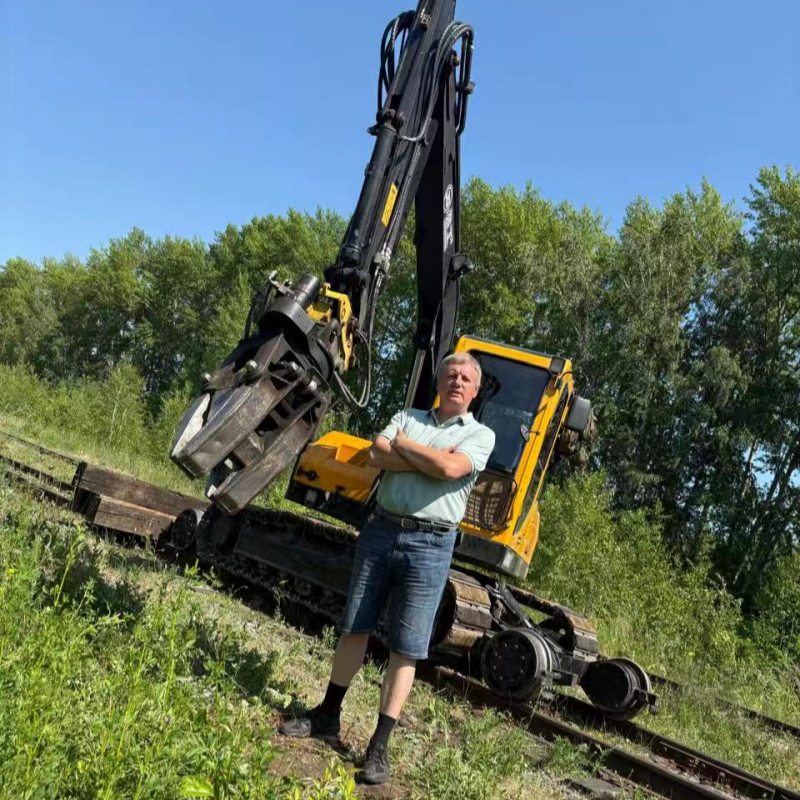
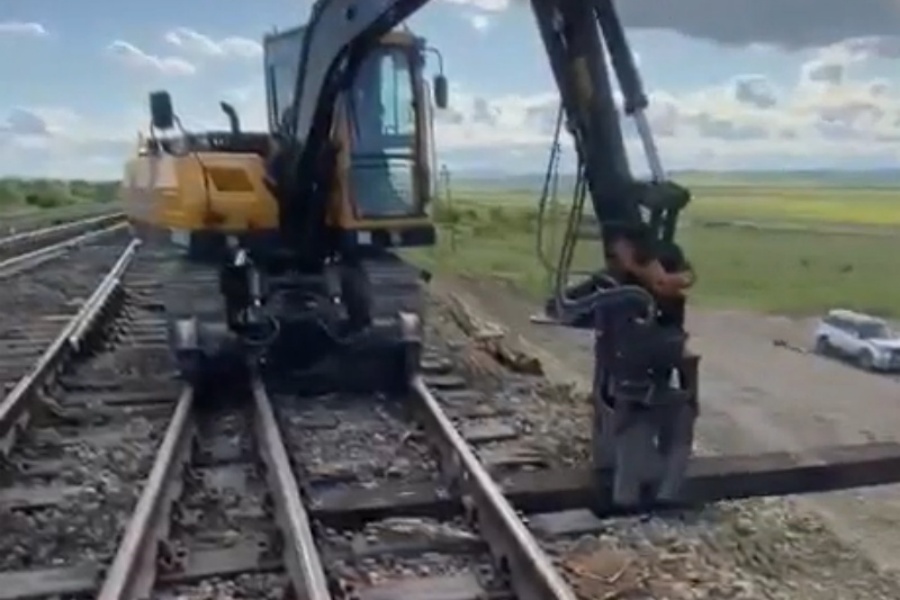
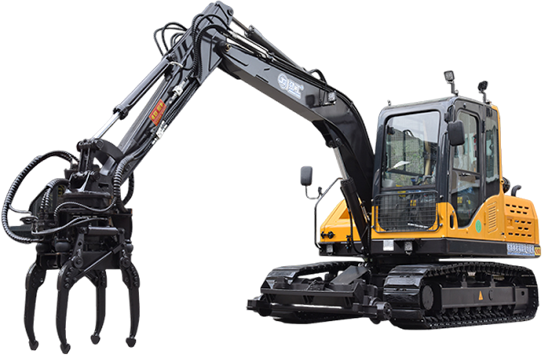
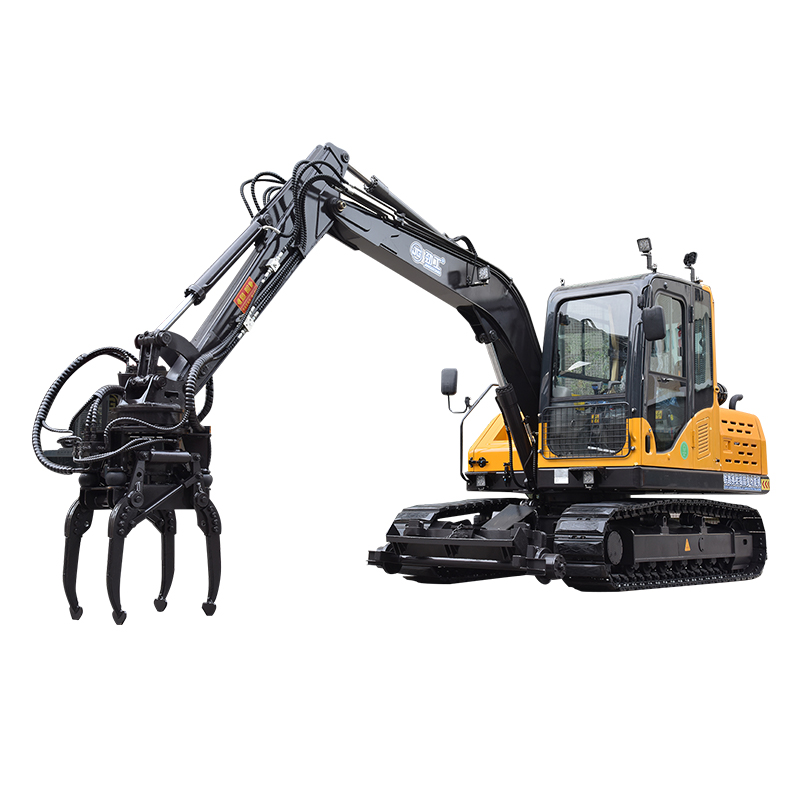
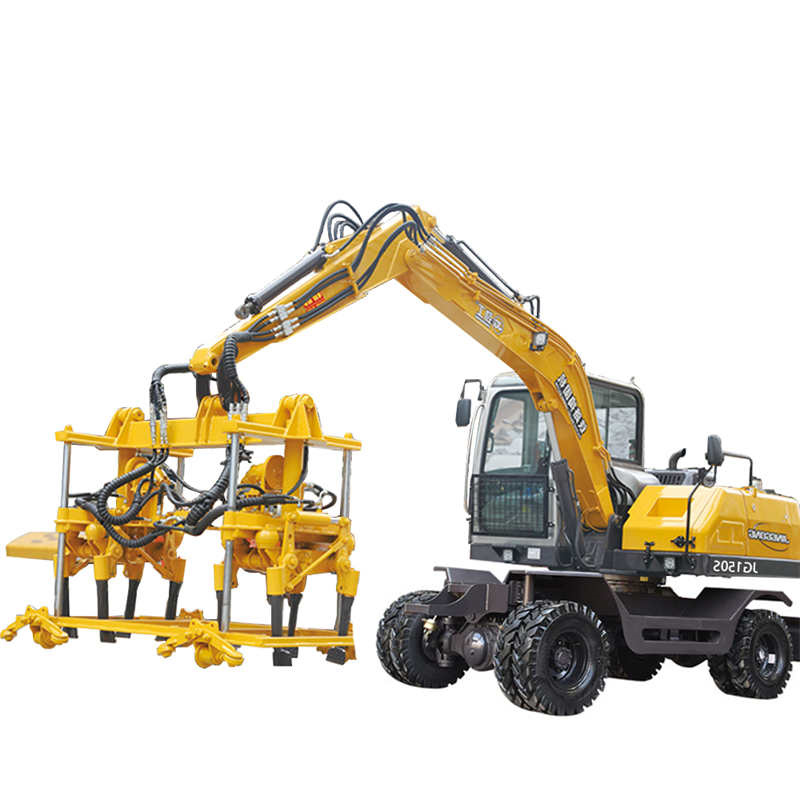
अनुकूलता के अलावा, रेलवे के काम की अनूठी मांगों के लिए निर्मित सुविधाओं की तलाश करें।रेलवे उत्खनन मशीनें तंग, गतिशील गलियारों में चलती हैं, जो अक्सर सक्रिय पटरियों या ओवरहेड लाइनों के निकट होते हैं। मशीन के चारों ओर सामग्री की कुशल हैंडलिंग के लिए 360 डिग्री निरंतर घूमने वाला अंडरकैरिज अनिवार्य है, जिससे बार-बार स्थिति बदलने की आवश्यकता नहीं होती। मजबूत सुरक्षा प्रणालियाँ सर्वोपरि हैं – जैसे निकटता सेंसर, उन्नत प्रकाश व्यवस्था और विद्युतीकृत लाइनों के पास काम करने के लिए संभावित रूप से इन्सुलेटेड घटक। भूभाग पर भी विचार करें: खड़ी ढलानों के लिए बनी मशीनों को असाधारण स्थिरता प्रणालियों की आवश्यकता होती है, जबकि चरम जलवायु के लिए उन्नत शीतलन या तापन प्रणालियों की आवश्यकता होती है। रेल के सीमित कार्यक्षेत्र में बाल्टियों, ग्रैब, ऑगर या हाइड्रोलिक हैमर के बीच तेजी से अटैचमेंट बदलने की सुविधा देने वाली बहुमुखी क्विक-कपलर प्रणालियाँ उत्पादकता को काफी बढ़ाती हैं।
नियामक और सहायता संबंधी परिदृश्य को समझना ही आधी लड़ाई है।अंतर्राष्ट्रीय बाज़ारों में प्रमाणन और उत्सर्जन मानकों का एक जटिल जाल बिछा होता है। इनका अनुपालन अनिवार्य है। अधिकांश विकसित बाज़ारों (यूरोपीय संघ, उत्तरी अमेरिका, जापान) के लिए टियर 4 फ़ाइनल / स्टेज V इंजन आवश्यक हैं। उत्सर्जन मानकों के अलावा अन्य लागू होने वाली विशिष्ट क्षेत्रीय मानकीकरण आवश्यकताओं (जैसे रूस में GOST-R या चीन में CCC) पर शोध करें। प्रमाणन लागत और लगने वाला समय बजट और योजना के लिए महत्वपूर्ण विचारणीय बिंदु हैं। विशेष रूप से, निर्माता और डीलर की जानकारी की गहन जांच करें।स्थानीयआपके लक्षित क्षेत्रों में ब्रांड की उपस्थिति और सहायता क्षमताएं कैसी हैं? क्या आस-पास ब्रांड के स्थापित डीलरशिप या सेवा भागीदार हैं? क्या तकनीशियन उस विशिष्ट मॉडल पर प्रशिक्षित हैं? असली पुर्जों की उपलब्धता में कितना समय लगता है? व्यापक वारंटी शर्तें और स्थानीय भाषा में सुलभ तकनीकी दस्तावेज़ विश्वसनीय बिक्री-पश्चात सहायता के मजबूत संकेतक हैं, जो मुख्यालय से हजारों मील दूर होने पर होने वाले महंगे डाउनटाइम को रोकते हैं।
वैश्विक स्तर पर सोचें, स्थानीय स्तर पर तैयारी करें।हालांकि प्रमुख अंतरराष्ट्रीय ब्रांड विश्वसनीयता और व्यापक सहायता नेटवर्क प्रदान करते हैं, लेकिन मजबूत क्षेत्रीय निर्माताओं को पूरी तरह से खारिज न करें। वे बेहतर मूल्य, स्थानीय बाजार की गहरी विशेषज्ञता और विशिष्ट क्षेत्रों में तेज़, अधिक अनुकूलित सहायता प्रदान कर सकते हैं। उनकी निर्माण गुणवत्ता, वित्तीय स्थिरता और बाजार के प्रति दीर्घकालिक प्रतिबद्धता का अच्छी तरह से मूल्यांकन करें। स्वामित्व की कुल लागत (TCO) को ध्यान में रखें, जिसमें ईंधन दक्षता, अपेक्षित रखरखाव अंतराल, पुर्जों की लागत और उस विशिष्ट क्षेत्र में मशीन का अनुमानित पुनर्विक्रय मूल्य शामिल है। लॉजिस्टिक्स में गहरी विशेषज्ञता रखने वाले आपूर्तिकर्ता के साथ साझेदारी करने से सीमा शुल्क निकासी सुचारू होती है और अक्सर दूरस्थ रेल स्थलों तक अंतिम डिलीवरी कुशल होती है।
अंतर्राष्ट्रीय परियोजनाओं के लिए सही रेलवे उत्खनन मशीन का चयन एक रणनीतिक निवेश है। सटीक ट्रैक और परिचालन अनुकूलता को प्राथमिकता देकर, अनिवार्य प्रमाणपत्रों पर जोर देकर, सिद्ध स्थानीय समर्थन की मांग करके और वास्तविक परिचालन लागतों की सावधानीपूर्वक गणना करके, ठेकेदार ऐसे विश्वसनीय साझेदार प्राप्त करते हैं जो वैश्विक स्तर पर दक्षता प्रदान करने और जोखिम को कम करने में सक्षम होते हैं।