English
 Français
 Pусский
 Español
 Português
 ไทย
ไทย العربية
 िन्दी
िन्दी Indonesia
ट्रैक रखरखाव के लिए कस्टम समाधान

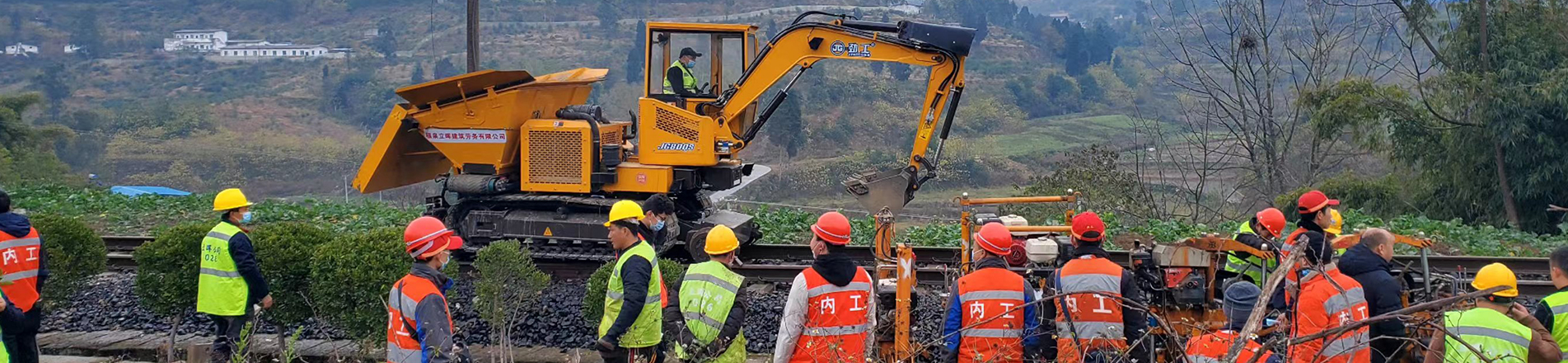
रेलवे उत्खनन मशीनों के जीवनकाल को बढ़ाने और लागत को कम करने के लिए पांच प्रमुख रखरखाव रणनीतियाँ
रेलवे निर्माण और रखरखाव के चुनौतीपूर्ण वातावरण में, प्रत्येक रेलवे उत्खनन मशीन उत्पादकता सुनिश्चित करने में एक महत्वपूर्ण भूमिका निभाती है। इन महंगी मशीनों को अधिक समय तक और किफायती तरीके से कैसे चलाया जा सकता है? इसका उत्तर वैज्ञानिक और नियमित रखरखाव में निहित है। रेलवे उत्खनन मशीनों के जीवनकाल को बढ़ाने और परिचालन लागत को काफी कम करने के लिए निम्नलिखित पांच प्रमुख रणनीतियाँ महत्वपूर्ण हैं:
नियमित रखरखाव योजना बनाना और उसका सख्ती से पालन करना उपकरणों की दीर्घायु के लिए अत्यंत महत्वपूर्ण है। रेलवे उत्खनन यंत्र धूल, कंपन और भारी भार जैसी चरम स्थितियों में काम करते हैं, और इनके पुर्जे पारंपरिक उपकरणों की तुलना में बहुत तेजी से घिसते हैं। निर्माता के मैनुअल के आधार पर विस्तृत रखरखाव कार्यक्रम बनाकर और इंजन तेल, हाइड्रोलिक तेल, फिल्टर और चिकनाई ग्रीस को नियमित अंतराल पर बदलकर, आंतरिक घिसाव कणों को प्रभावी ढंग से हटाया जा सकता है, सिस्टम की स्वच्छता और चिकनाई बनाए रखी जा सकती है। यह उपकरणों को निरंतर जीवन शक्ति प्रदान करने जैसा है, जिससे मुख्य पुर्जों के घिसाव की दर काफी धीमी हो जाती है और छोटी-मोटी समस्याओं के जमा होने के कारण होने वाली बड़ी मरम्मत या यहां तक कि कबाड़ में डालने से भी बचा जा सकता है। यह लागत बचाने का सबसे सीधा और प्रभावी तरीका है।
रेलवे उत्खनन मशीनों के जीवनकाल पर दैनिक परिचालन आदतों का गहरा प्रभाव पड़ता है। ऑपरेटर ही उपकरण की सुरक्षा की पहली पंक्ति होते हैं। धीरे से शुरू करना, लंबे समय तक ओवरलोडिंग से बचना और अचानक झटके वाले कार्यों से बचना - ये बातें इंजन, हाइड्रोलिक सिस्टम और संरचनात्मक घटकों पर दबाव को काफी हद तक कम कर सकती हैं। प्रत्येक कार्य के बाद उपकरण की अच्छी तरह से सफाई करना, विशेष रूप से ट्रैक क्षेत्र और रेडिएटर से गंदगी और मलबा हटाना, महत्वपूर्ण भागों में जंग और रुकावटों को प्रभावी ढंग से रोक सकता है। अच्छी परिचालन और सफाई की आदतें विफलता दर को कम करने और रखरखाव लागत को बचाने के लिए दैनिक कार्य हैं।
उपकरणों की असामान्य स्थितियों के प्रति अत्यधिक सतर्क रहना और उनका तुरंत समाधान करना अत्यंत महत्वपूर्ण है। रेलवे उत्खनन मशीनों के संचालन में, कोई भी मामूली असामान्य शोर, रिसाव, तेल का असामान्य तापमान या धीमी गति उपकरण से मिलने वाला चेतावनी संकेत है। इन शुरुआती चेतावनियों को नज़रअंदाज़ करने से अक्सर पुर्जों को अधिक गंभीर और महंगा नुकसान हो जाता है। एक त्वरित प्रतिक्रिया तंत्र स्थापित करना आवश्यक है, जिसके तहत संभावित समस्याओं का पता चलते ही मशीन को तुरंत निरीक्षण के लिए रोक दिया जाए और पेशेवर रखरखाव कर्मियों द्वारा सटीक निदान और मरम्मत की जाए। यह "निवारक" रखरखाव रणनीति छोटी-मोटी खराबी को गंभीर खराबी और बड़े पैमाने पर मरम्मत की आवश्यकता में बदलने से प्रभावी ढंग से रोक सकती है, जिससे रखरखाव लागत में काफी बचत होती है और मशीन का समग्र जीवनकाल बढ़ जाता है।
घिसे-पिटे पुर्जों का सही प्रबंधन दीर्घकालिक लागत नियंत्रण का एक महत्वपूर्ण हिस्सा है। रेलवे उत्खनन मशीनों के उच्च-तीव्रता वाले संचालन के दौरान बकेट टीथ, ट्रैक प्लेट और बुशिंग जैसे पुर्जे बहुत जल्दी घिस जाते हैं। विश्वसनीय और उच्च अनुकूलता वाले घिसाव-प्रतिरोधी पुर्जों का चयन, भले ही प्रारंभिक निवेश थोड़ा अधिक हो, उनकी लंबी सेवा अवधि और अधिक स्थिर प्रदर्शन से प्रतिस्थापन की आवृत्ति और डाउनटाइम में काफी कमी आ सकती है। इन पुर्जों की स्थिति का नियमित रूप से निरीक्षण करना और समय पर उन्हें बदलना न केवल अधिक महंगे मुख्य संरचनात्मक पुर्जों (जैसे बूम और बकेट) को क्षति से बचाता है, बल्कि उपकरण के निरंतर और कुशल संचालन को भी सुनिश्चित करता है। दीर्घकाल में, इससे रेलवे उत्खनन मशीनों की लागत-प्रभावशीलता में काफी सुधार होता है।
ऑपरेटरों और रखरखाव टीमों के कौशल सुधार में निरंतर निवेश से दीर्घकालिक लाभ प्राप्त होते हैं। उपकरण की स्थिति अंततः उसे उपयोग करने और रखरखाव करने वाले लोगों पर निर्भर करती है। ऑपरेटरों को रेलवे उत्खनन यंत्रों के संचालन का व्यावसायिक प्रशिक्षण प्रदान करें, जिससे वे उपकरण के सिद्धांतों को गहराई से समझ सकें और उसका सही संचालन कर सकें; साथ ही, यह सुनिश्चित करें कि रखरखाव तकनीशियन नवीनतम दोष निदान तकनीकों और रखरखाव मानकों में निपुण हों। एक उच्च-गुणवत्ता वाली टीम रखरखाव योजनाओं को अधिक सटीकता से क्रियान्वित कर सकती है, संभावित समस्याओं का अधिक संवेदनशीलता से पता लगा सकती है और मरम्मत को अधिक कुशलता से कर सकती है, जिससे मानवीय त्रुटियों के कारण होने वाले उपकरण के नुकसान और अनावश्यक रखरखाव खर्चों को कम किया जा सकता है। यह उपकरण के दीर्घकालिक सुचारू संचालन को सुनिश्चित करने और लागत अनुकूलन प्राप्त करने की मूलभूत गारंटी है।
रखरखाव को रेलवे उत्खनन यंत्र के भविष्य में निवेश के रूप में देखें।
रेलवे इंजीनियरिंग क्षेत्र में कड़ी प्रतिस्पर्धा के बीच, उपकरणों की सेवा अवधि को अधिकतम करना और परिचालन लागत को अनुकूलित करना कोई संयोग नहीं है। नियमित रखरखाव, परिचालन आदतों को अनुकूलित करना, असामान्यताओं पर तुरंत प्रतिक्रिया देना, घिसे हुए पुर्जों का वैज्ञानिक प्रबंधन और टीम के कौशल में निरंतर सुधार जैसी पाँच प्रमुख रखरखाव रणनीतियों को लागू करके, आप न केवल रेलवे उत्खनन मशीन की सेवा अवधि को काफी हद तक बढ़ा सकते हैं, बल्कि पूरे जीवनचक्र में रखरखाव खर्चों को प्रभावी ढंग से नियंत्रित कर सकते हैं, जिससे निवेश पर उच्च प्रतिफल प्राप्त होता है।